
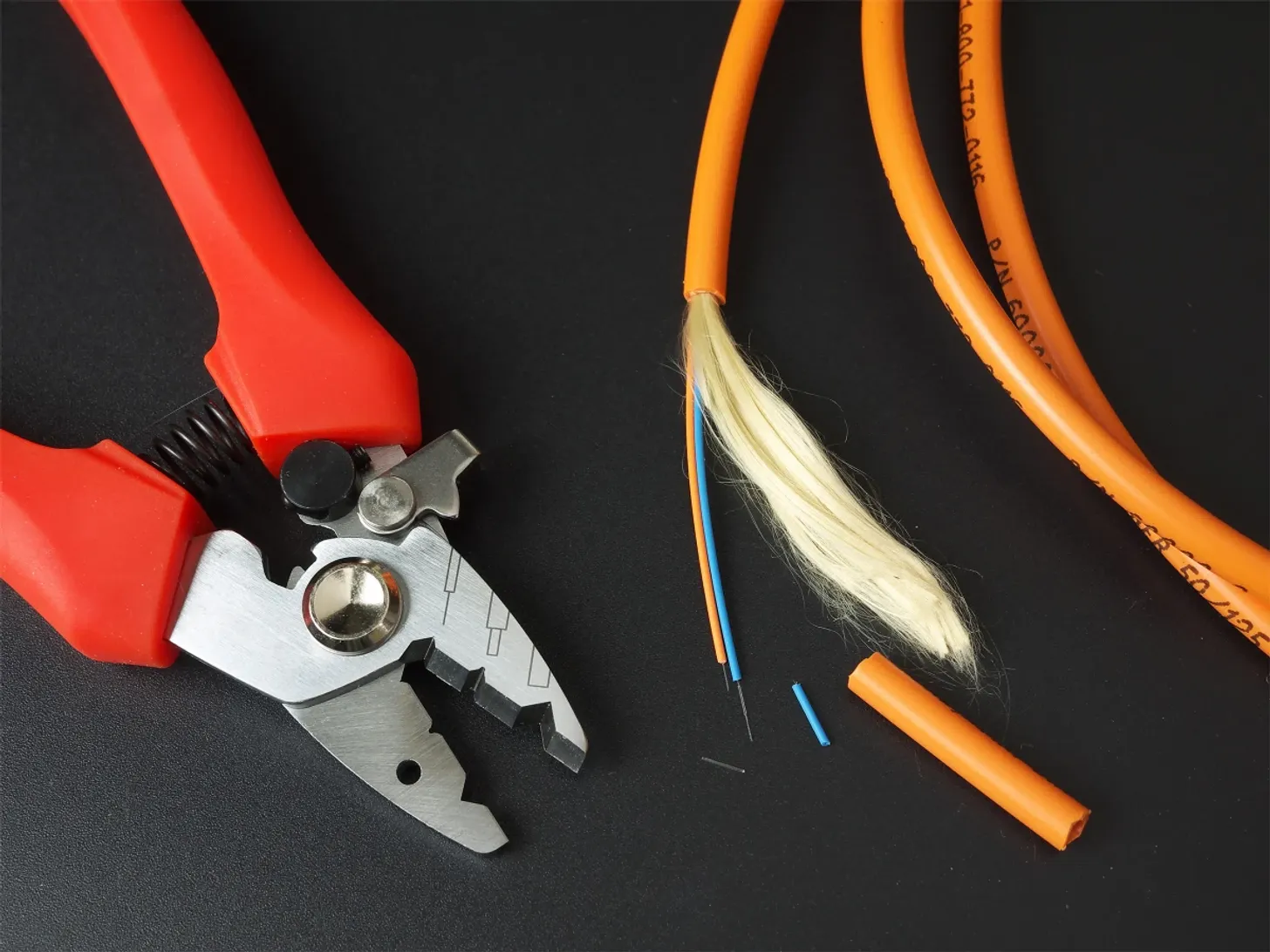
In fiber optic networks, two commonly used cable types are drop cables and distribution cables, and although they may look similar at first glance, they serve completely different roles within the network structure.
A distribution cable is used in the main or feeder part of the network and is responsible for carrying multiple fiber strands from the central office or main distribution point toward different areas or network nodes. These cables usually contain a higher number of fibers, such as 4, 8, 12, 24, or even more, and are designed with stronger mechanical protection because they are typically installed in more demanding environments like underground ducts, aerial routes, or outdoor conduits. Their main function is to distribute optical signals from the core network to local access points, effectively acting as the middle layer that connects the backbone of the system to the final distribution stage.
On the other hand, a drop cable is used for the last segment of the network and connects the distribution point directly to the end user’s premises, such as a home, office, or building. Unlike distribution cables, drop cables usually contain only one or two fibers and are designed to be lightweight, flexible, and easy to install, making them suitable for residential environments and final connections. They are often used in aerial installations or indoor routing and serve the critical role of delivering the signal directly to the subscriber, completing the so-called last mile of the fiber network.
The key differences between these two types of cables lie in their position within the network, fiber count, mechanical strength, flexibility, and purpose, as distribution cables are intended for large-scale signal transport across network areas while drop cables are focused on individual end-user connectivity. Choosing the correct cable type is essential because using the wrong one can lead to signal loss, installation difficulties, and higher maintenance costs, whereas proper selection ensures stable performance, easier deployment, and long-term reliability of the entire fiber optic infrastructure.