
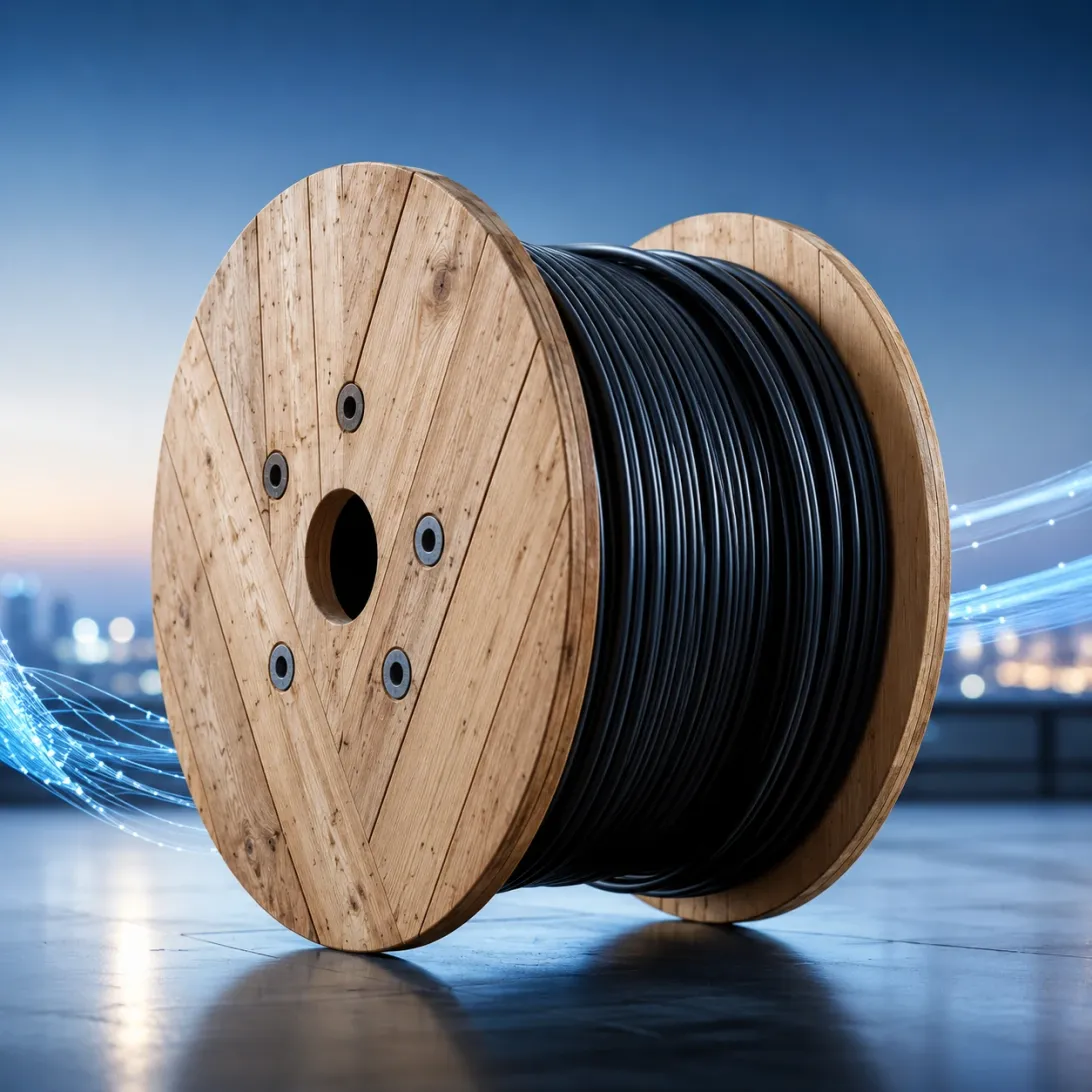
Fiber optic network performance depends on more than the quality of the cable itself. Even a high-quality optical fiber can become a weak point in the network if it is installed, secured, connected, or protected with unsuitable accessories. From splice closures and cable clamps to mounting brackets and protective components, every element plays a role in maintaining signal integrity, mechanical stability, and long-term network reliability.
Fiber optic cable accessories are essential components of a complete optical infrastructure. Splice closures protect fiber joints from moisture, dust, and other environmental factors that can compromise connections. Cable clamps and anchoring systems secure aerial installations, helping manage mechanical loads and prevent excessive tension. Mounting brackets and supporting hardware ensure that cables remain properly positioned, while protective tubes and other cable-management components help reduce the risk of damage during installation and operation.
The importance of these components becomes particularly evident in outdoor networks, where fiber optic cables are exposed to temperature fluctuations, wind, precipitation, and mechanical stress. In aerial installations, for example, the correct selection of suspension and anchoring hardware helps maintain the cable's designed installation conditions. In underground networks, suitable closures and protection systems help safeguard fiber connections against environmental exposure and support easier maintenance.
Accessories also influence the efficiency of installation and future network expansion. Properly selected components simplify cable routing, improve organization at connection points, and make troubleshooting and maintenance more manageable. When a network needs to be extended or repaired, accessible and well-organized connection points can reduce the complexity of the work and help minimize service interruptions.
However, not every accessory is suitable for every application. Selection should account for cable construction, installation method, environmental conditions, mechanical loads, and the specific requirements of the network. Compatibility between components is equally important: an accessory that does not match the cable type or installation environment may introduce unnecessary risks, even when the cable itself meets the required specifications.
For this reason, designing a reliable fiber optic network requires a system-level approach. Cable quality, connection protection, mechanical support, and installation accessories must work together to deliver consistent performance throughout the infrastructure's service life.