
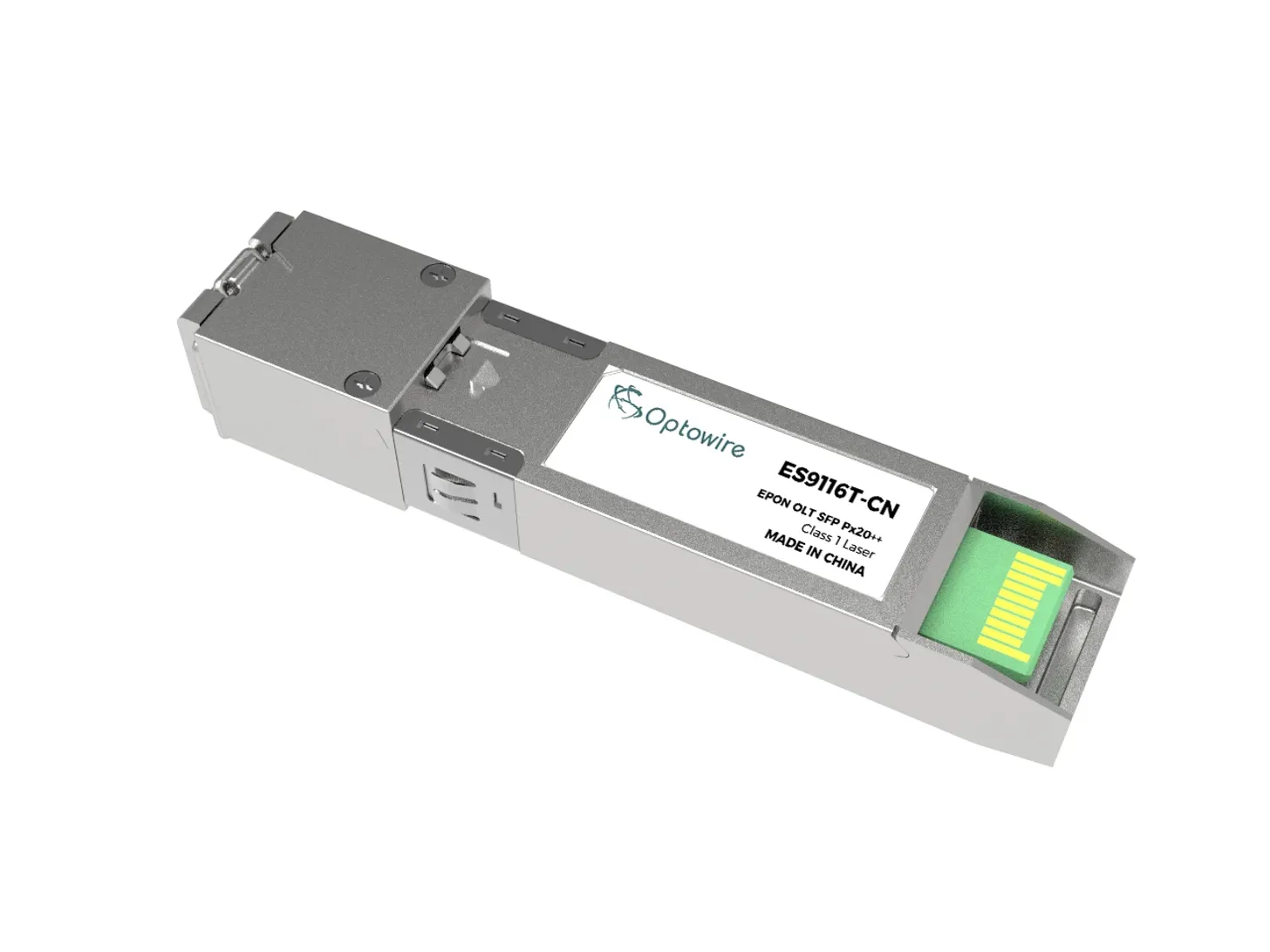
From enterprise infrastructures and data centers to telecom networks and internet service providers, every connection requires reliable technology to transfer information efficiently. One of the key components that enables this connectivity is the SFP module.
Although small in size, SFP modules play a critical role in modern networking by providing flexible connections between switches, routers, servers, and fiber optic systems. They allow network professionals to adapt their infrastructure based on speed, distance, and transmission requirements without replacing entire network devices.
The main function of an SFP module is signal conversion. During transmission, the module receives electrical data from a network device and converts it into optical signals that travel through fiber optic cables. At the receiving end, another SFP module converts these optical signals back into electrical data that can be processed by the connected equipment. This process allows networks to achieve high-speed communication over longer distances while maintaining stable performance and reducing signal loss.
There are different types of SFP modules designed for various networking requirements. Fiber optic SFP modules are commonly used in applications where long-distance and high-performance connections are required. Single-mode SFP modules (SMF) are designed for single-mode fiber cables and are typically used in telecom networks, ISP infrastructure, and backbone connections where data needs to travel over several kilometers. Multi-mode SFP modules (MMF) are designed for shorter distances and are widely used in enterprise networks, server rooms, and data centers where cost-effective high-speed connectivity is needed.
Copper SFP modules provide another option by allowing devices with SFP ports to connect through traditional Ethernet cables such as Cat5e or Cat6. These modules are useful for integrating modern networking equipment with existing copper-based infrastructures.
As network speeds continue to increase, different generations of SFP technology have been developed. Standard SFP modules generally support speeds up to 1 Gbps and are commonly used in Gigabit Ethernet networks. SFP+ modules support speeds up to 10 Gbps and are widely used in enterprise networks and data centers. SFP28 modules support speeds up to 25 Gbps and are designed for higher-bandwidth environments.
Although these modules have similar physical designs, they are not always interchangeable, so compatibility with network equipment must always be considered.
Choosing the correct SFP module requires attention to several important factors. The first is network speed, as the module must match the performance requirements of the infrastructure. The second is fiber type, since single-mode and multi-mode systems require different transceivers. Transmission distance is another critical factor, as different modules are designed for different ranges, from short connections inside buildings to long-distance telecom links. Connector type and compatibility with the network device are also essential to ensure proper operation.
One of the biggest advantages of SFP technology is flexibility. Instead of replacing expensive switches or routers when network requirements change, organizations can upgrade their connectivity by simply changing the transceiver module. This makes network expansion easier, faster, and more cost-effective. The hot-swappable design of many SFP modules also simplifies maintenance, allowing modules to be installed or replaced without interrupting the entire network.
SFP modules are widely used across many industries, including internet service provider networks, fiber-to-the-home (FTTH) deployments, enterprise LAN networks, data centers, security systems, and industrial communication environments. Wherever reliable and scalable data transmission is required, SFP technology provides an efficient solution.
However, incorrect module selection can create performance issues. Common mistakes include using incompatible modules, mixing single-mode and multi-mode components, ignoring transmission distance requirements, or selecting a module without checking device compatibility. Proper planning and understanding of network specifications are essential for achieving stable and reliable connectivity.
As the demand for faster and more efficient networks continues to grow, optical transceiver technology continues to evolve. Higher-speed solutions such as SFP28, QSFP+, and QSFP28 are becoming increasingly important in advanced networking environments. At the same time, traditional SFP and SFP+ modules remain widely used because of their reliability, flexibility, and compatibility with a broad range of networking equipment.
SFP modules may be small components, but they are fundamental elements of modern communication infrastructure. They provide the flexibility needed to connect different devices, support various transmission distances, and help organizations build scalable and efficient networks. Understanding the differences between SFP types, speeds, and compatibility requirements allows businesses and network professionals to make better decisions when designing or upgrading their infrastructure. A properly selected SFP module ensures reliable connectivity, improved performance, and long-term network stability.