
Why UV Protection Matters in Fiber Optic Cable Design?
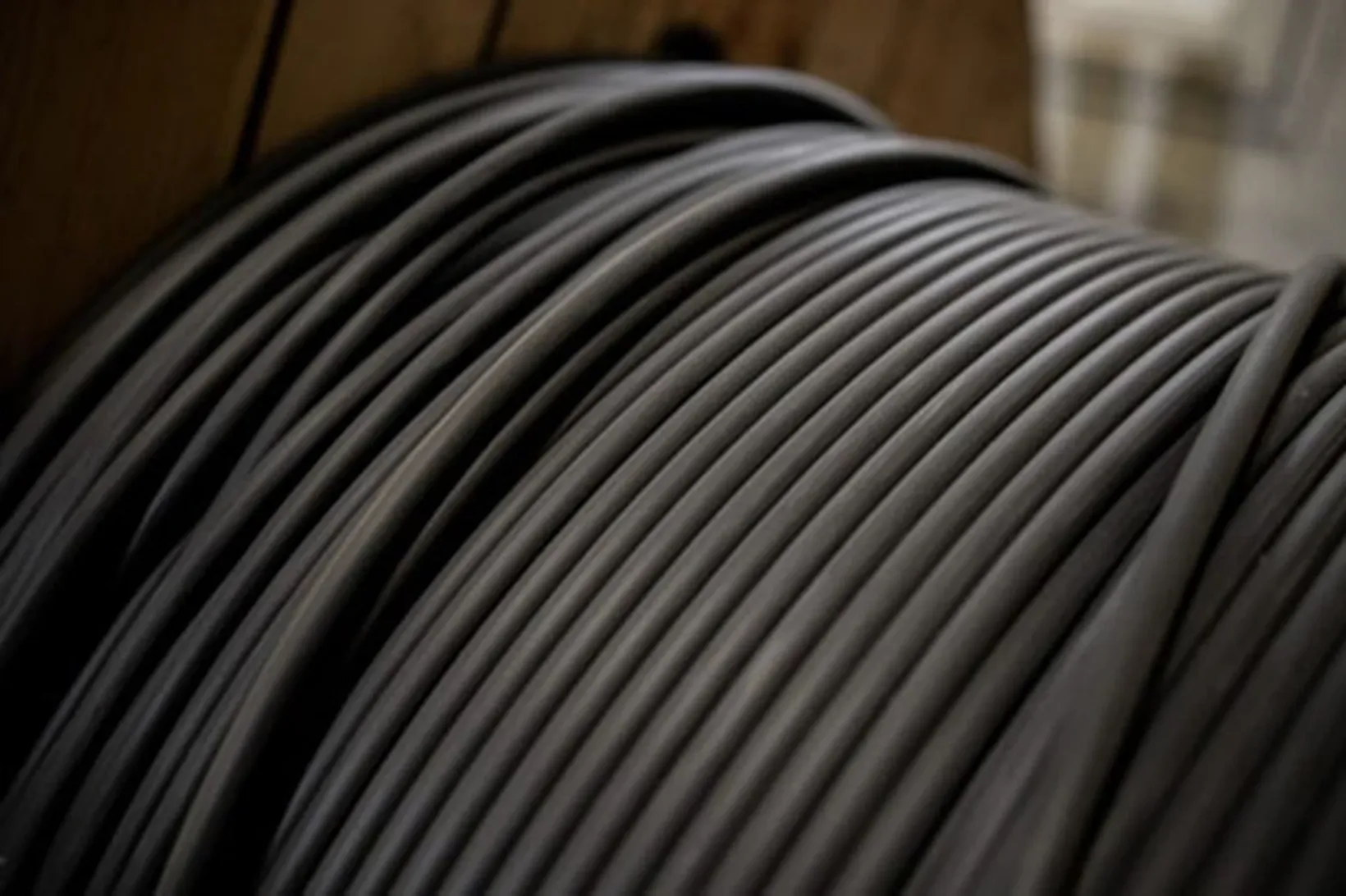
UV-resistant fiber optic cables are a fundamental component in the design of reliable outdoor telecommunications infrastructure, where long-term exposure to sunlight and environmental stress cannot be avoided. In modern network deployments such as FTTH, inter-building connectivity, industrial systems, and smart city applications, the durability of the cable jacket becomes just as critical as the optical performance itself. While the glass fiber core is inherently immune to ultraviolet radiation, the surrounding polymer materials are highly susceptible to photodegradation, which can significantly compromise the integrity of the entire cable over time.
Prolonged exposure to UV radiation leads to the breakdown of molecular chains within standard cable jackets, resulting in surface cracking, embrittlement, and gradual loss of mechanical strength. As the outer sheath deteriorates, it becomes increasingly permeable to moisture and environmental contaminants, creating conditions that can affect internal buffering, induce micro bending, and ultimately increase signal attenuation. In practical terms, this translates into reduced network stability, higher maintenance frequency, and premature infrastructure failure—especially in aerial and exposed installations.
To address these challenges, UV-resistant fiber optic cables are engineered using advanced material formulations designed to withstand prolonged solar exposure without degradation. High-density polyethylene (HDPE) is one of the most widely used materials for this purpose due to its excellent resistance to UV radiation, low moisture absorption, and strong mechanical properties under varying environmental conditions. In addition, UV-stabilized PVC and specially treated LSZH compounds may be applied in environments where specific safety or installation requirements must be met. These materials are enhanced with additives such as carbon black, UV absorbers, and antioxidants, which work together to dissipate ultraviolet energy, prevent polymer chain breakdown, and slow down the aging process.
Beyond material selection, the structural design of UV-resistant cables plays a key role in ensuring long-term performance. Loose tube constructions, water-blocking elements, and high-strength reinforcement materials such as aramid yarn are commonly integrated to provide protection against mechanical stress, temperature variation, and moisture ingress. In more demanding environments, armored designs may be used to further enhance resistance to external impacts and environmental hazards. This combination of material science and structural engineering ensures that the cable maintains stable optical characteristics even under continuous outdoor exposure.
The importance of UV resistance becomes particularly evident in applications such as aerial deployments, campus networks, industrial facilities, and outdoor surveillance systems, where cables are subjected not only to sunlight but also to wind, temperature fluctuations, and humidity. In these conditions, the use of non-UV-resistant cables introduces a high risk of accelerated degradation, leading to increased operational costs and potential service disruptions. By contrast, UV-resistant solutions provide a predictable and stable performance profile, supporting consistent signal transmission and reducing the need for corrective maintenance.
From an engineering perspective, selecting the appropriate UV-resistant fiber optic cable requires careful consideration of installation conditions, expected exposure levels, mechanical нагрузка, and compliance with international standards such as IEC, ISO, and TIA. Proper specification at the design stage directly impacts the overall efficiency and lifespan of the network, making it a critical decision rather than a secondary consideration.
In the context of growing demand for high-performance outdoor connectivity, UV-resistant fiber optic cables are not simply an added feature but a necessary requirement for sustainable network development. Their ability to maintain structural integrity and optical performance under prolonged environmental exposure ensures that modern communication systems remain stable, efficient, and cost-effective throughout their operational lifecycle.