
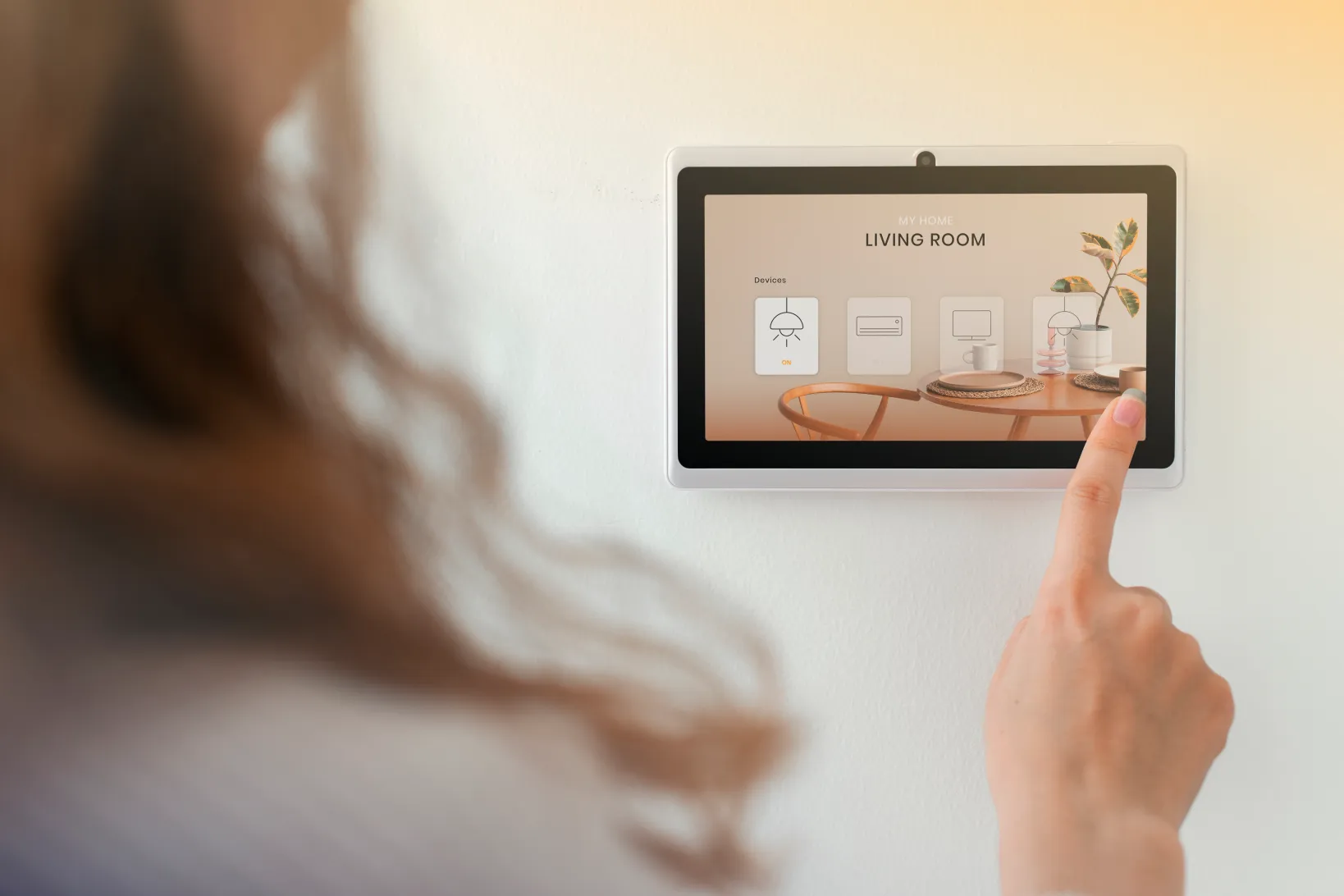
Smart home devices are becoming increasingly popular, offering convenience, efficiency, and enhanced security. However, selecting the right devices can be overwhelming due to the variety of options, compatibility issues, and price differences. To make the best choice, it is important to consider three key factors: security, budget, and connectivity.
Security: The primary purpose of many smart home devices is to protect your home. Security cameras, smart locks, motion sensors, and door/window sensors should provide reliable monitoring and alerts. When choosing devices, look for features such as AI-powered object recognition, two-factor authentication, encrypted communication, and real-time alerts. Devices that integrate with a centralized hub or app allow you to manage all security features from a single interface, reducing the chance of gaps in protection.
Budget: Smart home devices range from affordable entry-level products to premium systems with advanced automation features. When planning your smart home setup, it’s important to balance cost with functionality. Determine which devices are essential and which are optional. For example, a basic security camera might be sufficient for monitoring outdoor areas, while AI-powered cameras could be reserved for main entrances or high-priority areas. Consider total costs, including subscriptions for cloud storage, updates, and maintenance.
Connectivity: For smart devices to work efficiently, they must connect reliably to your home network. Wi-Fi, Zigbee, Z-Wave, and Matter protocols are the most common. Ensure that devices are compatible with your existing smart home ecosystem and can communicate seamlessly with hubs, apps, and other devices. A well-connected system allows automation routines, remote monitoring, and coordinated responses, such as turning on lights when motion is detected or locking doors when security sensors are triggered.
When choosing smart home devices, also consider scalability. Your needs may evolve over time, so selecting devices that can integrate with new products or upgrades is crucial. Look for modular systems that allow additional cameras, sensors, or automation features to be added easily without replacing the entire system.
Choosing the right smart home devices requires evaluating security capabilities, affordability, and connectivity options. By focusing on these factors, homeowners can create a system that is safe, efficient, and future-proof, providing convenience and peace of mind in everyday life.