
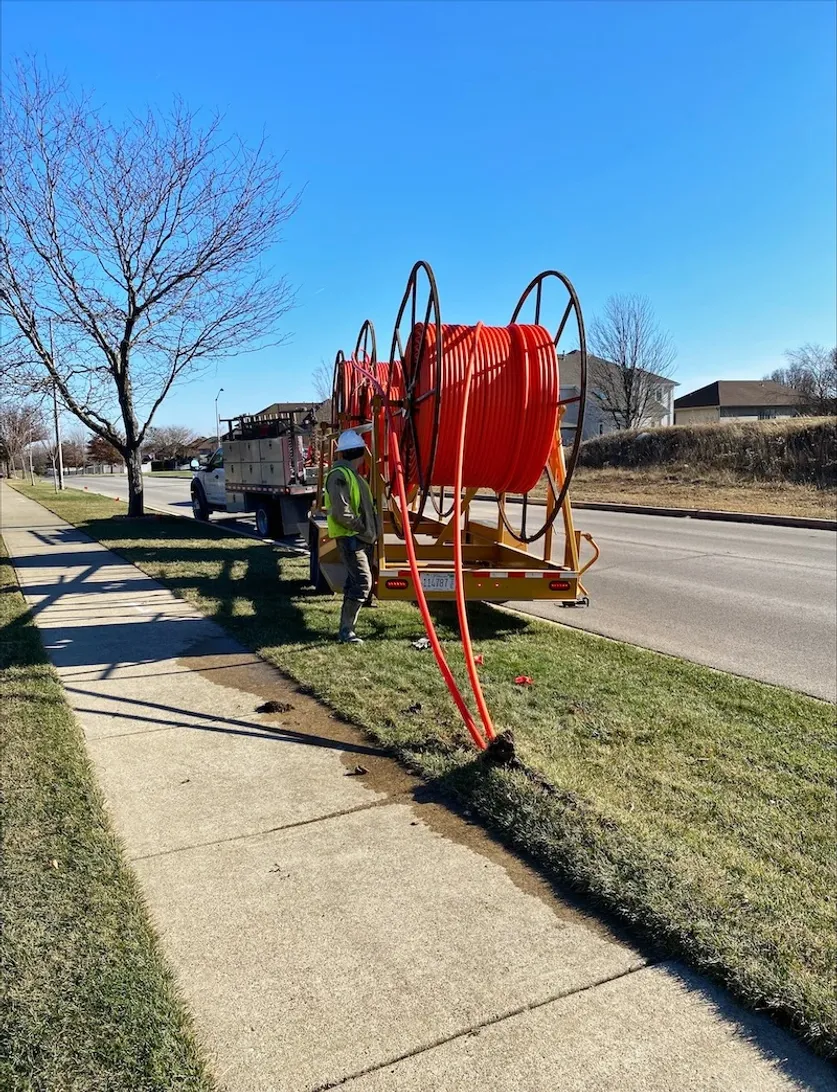
When we think about the backbone of modern cities, towering skyscrapers, smart traffic lights, and high-speed internet often come to mind. Yet, the real hero quietly powering this urban ecosystem lies beneath our feet: underground fiber optic networks. These invisible threads of light are shaping the way cities operate, communicate, and grow.
Fiber optic cables transmit data using light, offering speeds and bandwidths far beyond traditional copper cables. Underground installation is preferred in urban areas because it protects cables from weather and physical damage, reduces visual clutter, and allows dense city environments to be served without interfering with roads, buildings, or traffic.
The technical advantages of underground fiber are significant. High-speed data transmission enables cloud computing, high-definition video streaming, and real-time smart city applications such as autonomous vehicles, traffic management, and IoT systems. These networks also offer low latency and high reliability, as underground cables are less prone to electromagnetic interference, ensuring stable communication for emergency services, telemedicine, and critical urban systems.
Moreover, underground fiber is highly scalable, allowing cities to expand their network capacity to support future technologies like 5G, AI-driven monitoring, and next-generation smart grids.
Cities are already leveraging these networks in transformative ways. Smart traffic systems rely on fiber-connected sensors and cameras to monitor and manage traffic in real time, reducing congestion and improving safety. Public safety and surveillance systems benefit from high-bandwidth fiber, enabling high-definition video feeds and fast communication between emergency responders. Smart buildings and utility systems use fiber networks to optimize energy consumption, automate water management, and implement intelligent lighting, all contributing to resource efficiency. For residents, underground fiber forms the foundation for gigabit internet, supporting remote work, online learning, and seamless digital entertainment.
Despite the benefits, deploying underground fiber comes with challenges. Initial installation costs are high due to the need for trenching and specialized equipment. Urban planning is complex, as engineers must navigate existing underground infrastructure such as water pipes, gas lines, and subway tunnels. Maintenance and repair can also be more demanding, as locating faults in buried cables requires precise diagnostic tools.
As cities continue to evolve into smarter, more connected ecosystems, underground fiber networks will remain an essential yet often overlooked component. Their speed, reliability, and scalability enable innovations in transportation, healthcare, governance, and daily living, making modern cities more efficient, sustainable, and resilient. Though hidden from view, the impact of these networks on urban life is profound, quietly shaping the cities of today and paving the way for the cities of tomorrow.